Styling guide
Dressing for the body you actually have
Most style advice is written for a body that does not exist. It assumes a standing, able-bodied eight-hour day and a closet nobody shares. This guide starts where a real wardrobe starts: with how you move, what your week asks of you, and what you are actually willing to put on in the morning.
Begin with movement, not measurement
Before you think about color or trend, write down the movements your week requires — sitting for six hours, pushing a manual chair, navigating a subway platform, lifting a toddler, standing through a shift. Each one changes what a garment has to do. A jacket that pulls across the shoulders when you reach forward has failed, no matter how well it photographs. That list becomes the brief for everything you buy.
Fit is a measurement, not a size
Size labels are marketing; measurements are engineering. Note the four numbers that matter most for you — shoulder, chest or bust, natural waist, and the length you want at the hem — and shop from those instead of the letter on the tag. A garment altered two centimeters at the waist will out-perform a designer piece that never fit you. Budget for alteration the way you budget for the purchase; it usually costs less than the item itself.
Build five formulas, then repeat them
A formula is a combination you already know works, written down so you do not have to invent it at seven in the morning. Five is enough to cover most of a week: one for work, one for a seated day, one for weather, one for being seen, one for being comfortable. Name them, photograph them, keep the pieces that make them within reach. Decision fatigue is a wardrobe problem far more often than it is a willpower problem.
Choose fabric for the day, not the season
Two cotton poplins and a wool crepe will take you further than a closet of synthetics that trap heat and crease in a chair. Look at how a fabric behaves after an hour of sitting: does it bunch at the back, ride up at the thigh, hold a crease, or show every wrinkle. Natural fibers with a little stretch or a good drape forgive movement. Test this in the dressing room by sitting down for two full minutes before you decide.
Make the fastening part of the design
Buttons you can reach, zips that open from a seated position, waistbands with give, and hems that clear a wheel are not compromises — they are good design. When you find a closure that works for your hands and your height, buy a second in another color, then a third.
Start this week
Pick one formula, note your four measurements, and replace one garment that fights you. That is a change you can feel in seven days, and it is the same method we use with clients across a full session.
Virtual styling
Questions about working together, remotely

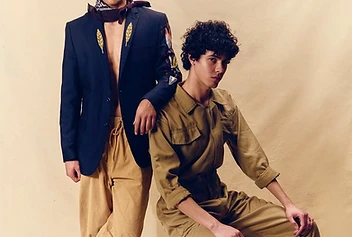
We meet on video for ninety minutes. You walk us through your closet, hold pieces up to the camera, and show us the outfits you actually wear alongside the ones that never leave the hanger. We ask about your week and how you move through it, and we build the plan together on the call rather than sending you homework afterward.
The session — ninety minutes, on video


Three things. A few full-length photographs of you in an outfit you genuinely like, your four key measurements, and fifteen minutes to pull the pieces you wear most into one place. Nothing has to be neat or pre-styled. A camera propped on a chair across the room is enough.
Before the call — photos, measurements, your everyday pieces

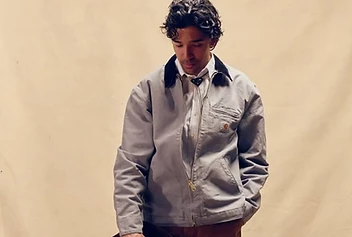
It works because we are not guessing. You show us how clothes behave — where a sleeve pulls when you reach, how a jacket sits when you transfer, which hem catches. That is more accurate than a fitting room, and it is the same information we would gather standing next to you.
Fit — judged from how clothes move, not from a size


No. Most clients leave with a short list of three or four things worth buying and a much clearer list of what to stop buying. The first pass is always about what you already own: what to keep, what to alter, what to retire. If something new is the answer, it is specific — a length, a fabric, a closure.
Your existing wardrobe — edit first, buy second


Start with the complimentary introductory call. It is fifteen minutes, there is no charge, and you leave with at least one thing to act on. From there we will tell you honestly whether a single session covers it or whether a package is the better fit — and if the answer is one call and a shopping list, that is what we will say.
Choosing — begin with the introductory call
Want help applying it?
The introductory call is fifteen complimentary minutes, and you leave with at least one thing to act on.
Book a free consult